


Toenail fungus is called onychomycosis.Initially, the infectious process affects the thumb, but as the disease progresses, it can spread to others.The disease goes through several stages.The sooner treatment is started, the easier it is to resolve the problem.This is especially true for thumbnails of the lower limbs: it has a large bed and dimensions, so the extent of the damage is significant.
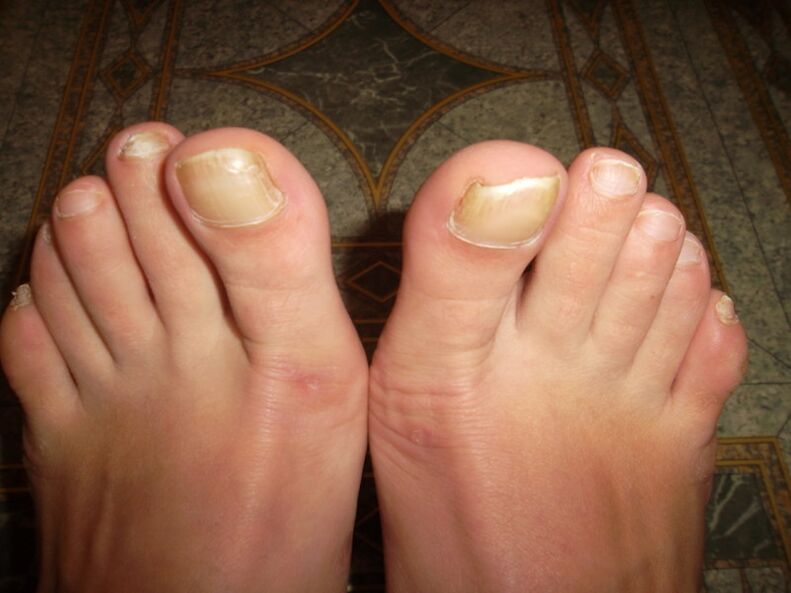
Stages of onychomycosis
Onychomycosis goes through several stages of development, each with specific symptoms.The development of the disease has the following stages:
- initial.At this stage, no obvious pathological deviations are observed: the changes remain external in nature.The nail plates on the fingers of the lower limbs have lost their luster.White spots or streaks appear on the surface.Generally, nails look healthy and the person does not experience pain or discomfort.If onychomycosis is discovered at this stage, you can get rid of it quickly.
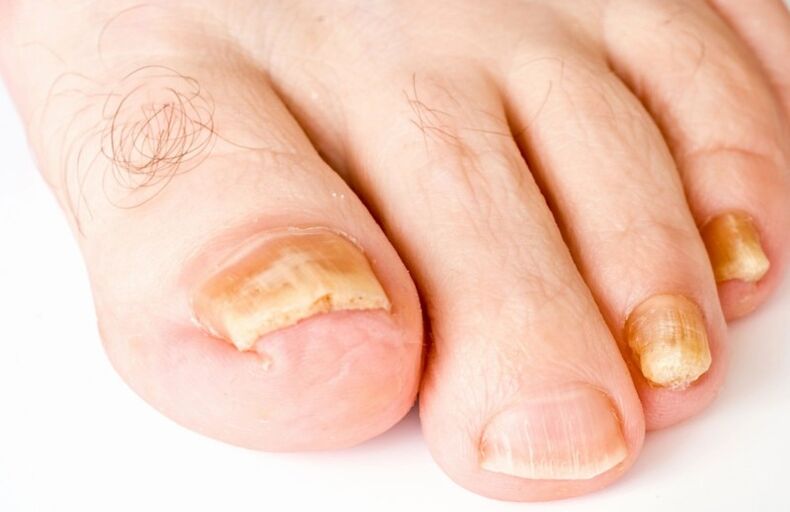
- average or progressive.The structure of the nail has undergone pathological changes.The board shows noticeable yellowing, flaking and cracking.The affected feet may also emit an unpleasant odor.
- Late or malnourished stage.Deep nail damage occurs.In this case, the infectious process moves from the thumb to other parts.The entire surface of the nail plate is affected by the fungus, peels off the bed, becomes loose.The patient was troubled by severe itching.Pain and a throbbing sensation may occur when the affected area is pressed.Therefore, patients cannot wear closed shoes.
Onychomycosis malnutrition stage
In the third stage of the development of the infectious process, the skin of the feet may become infected.In this case, the fungus can be cured only with the help of comprehensive therapy, which includes the use of local and systemic drugs (oral tablets).
Causes of fungus in big toe
The main causes of onychomycosis are:
- contact with someone who is a carrier of a fungal infection;
- Neglect of hygiene standards;
- Wearing someone else's shoes or tight shoes that don't fit;
- weakened immune system;
- Go to a bathroom, sauna, swimming pool or beauty salon where unsterile equipment may be used;
- Injury to nails and surrounding skin;
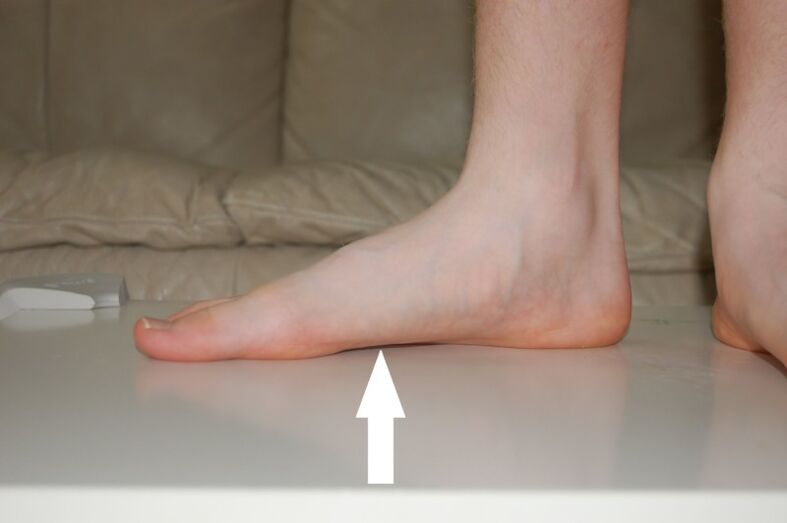
- flatfoot;
- long-term use of antimicrobials;
- Hyperhidrosis (increased sweating of the feet);
- The presence of endocrine or immune pathology;
- Circulatory disorders, which are particularly important in elderly patients;
- Varicose veins;
- diabetes
Flat feet are one of the causes of onychomycosis
An important factor that increases the risk of onychomycosis is advanced age.Older people have poorer blood supply to their extremities, which also increases the risk of fungal infections.The causative agent of the disease enters the nails or skin through contaminated objects or through contact with a carrier.Pathogens spread rapidly, colonizing new areas.The fungus enters the subungual space through the damaged area of the nail plate or the area of skin surrounding it.The fungus spreads rapidly, making its way to the nail bed.The rate of advance exceeds the rate of plate growth.Soon, pathogenic microorganisms reach their target and trigger changes in the nail structure.Studies have found that men are three times more likely to develop the fungus.The nail plate can be affected by fungi such as dermatophytes, mold, and yeast.
When should you see a doctor?
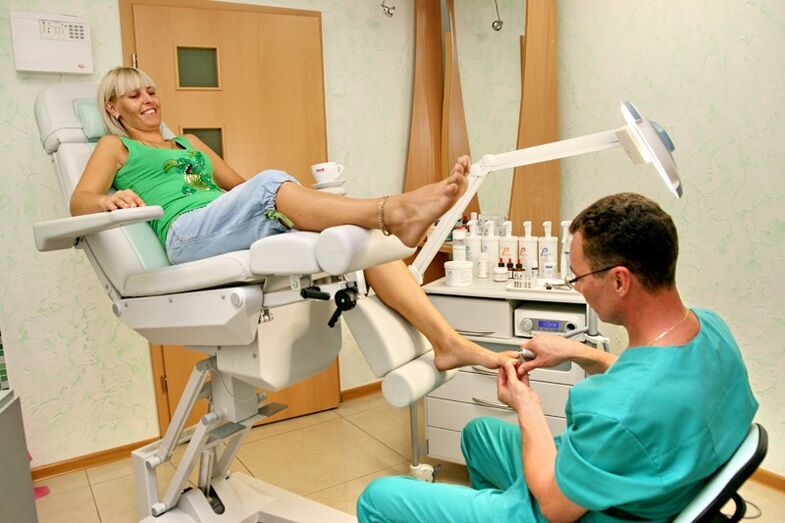
You should consult your doctor at the first symptoms of a fungal infection.You should not wait until obvious symptoms of the disease appear: the formation of white spots or even moderate itching in the foot area should be a reason to contact a specialist (mycologist or dermatologist).
diagnosis
Diagnostic measures that help identify the disease and its stages include:
- Visually inspect the nail plate;
- Take a tissue sample from the affected nail;
- Culture examination - inoculation of the patient's material onto a nutrient medium to determine the type of microorganisms affecting the nails.
In some cases, experts perform a differential diagnosis and distinguish onychomycosis from conditions such as lichen planus, psoriasis, and keratosis.
Treat fungal nail infections in the early stages of development
If a disease is caught early, it will be much easier to deal with.In this case, topical medications that are applied directly to the affected nail are usually sufficient.The duration of treatment depends on the condition of the nail plate and may vary from two to four weeks.Any medication designed to treat mild nail fungus should be prescribed by a doctor.
Treatment of advanced onychomycosis
In severe cases of fungi, as well as in cases of severe infectious processes, complex treatment is required.If there are no contraindications, systemic antifungal drugs must be prescribed.The patient was prescribed medications:
- Systemic antibiotic in tablet form.The active substance of the drug reaches the location of pathogenic microorganisms and has a bactericidal effect.
- The drug inhibits the development of pathogens and destroys them.The duration and dosage of treatment are determined by the attending physician.This product can cause adverse reactions.
- This medicine has a bactericidal effect.The active substances gradually accumulate in the layers of the nail plate, which makes it possible to destroy even those fungi that are located at considerable depths.
Additionally, for advanced onychomycosis, surgery can effectively remove the infected nail plate.You can do this in the following ways:
- Surgical removal.This method requires using sharp surgical instruments to pry open the plate and tear it from the bed.After surgery, use a bandage.Surgical methods are invasive and rarely used.Instead, use minimally invasive methods.
- The metal plate is removed using chemicals that promote rapid peeling of the affected nail.In this case, it is possible to treat the problem area with a special solution, wait until the medication begins to take effect, and then use tools that help to quickly separate the plate from the nail bed.
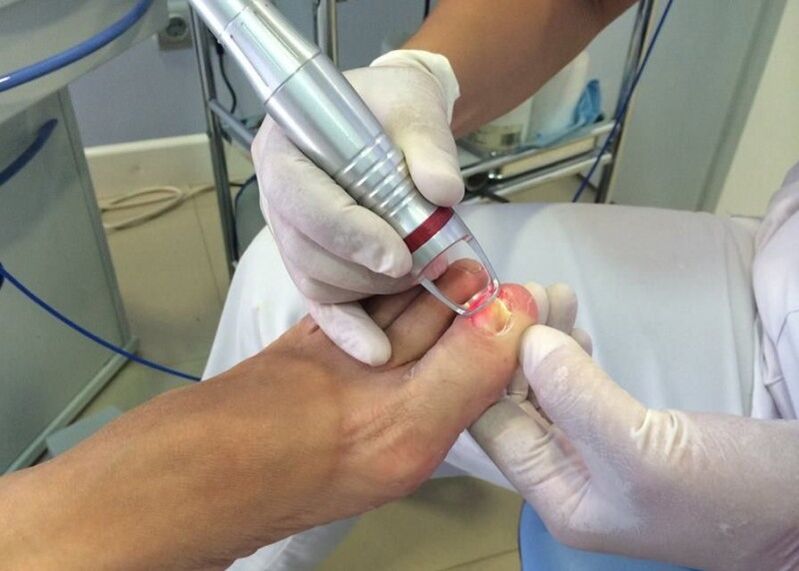
- Laser treatment.This is a modern, painless way to get rid of nail fungus quickly.The laser acts on the sheet, heating it to a high temperature as quickly as possible.The beam penetrates deeply and neutralizes pathogenic microorganisms.This method is bloodless and completely safe as it does not cause burns.
In the advanced stages of onychomycosis, it is important to strictly follow your doctor's advice, as the lack of proper treatment increases the risk of systemic damage to the body caused by the fungal infection.
traditional method
Onychomycosis on the big toe can also be treated using traditional medical methods.These methods are additive in nature and cannot serve as the basis for treatment.The most popular folk remedies include:
- Onion porridge.You need to grate a few onions and apply the resulting substance to the affected nail.Secure the top with a bandage.Leave on for 15-20 minutes and rinse.
- Hydrogen peroxide.Start by soaking the affected foot in water to soften the nail as much as possible.After that, remove the top layer from the board.Soak a piece of gauze in hydrogen peroxide and wrap the affected nail around the phalanx of your finger, grasping the immediate area of the lesion.Leave on for 40-50 minutes.You can repeat this process up to two times per day.
- Apple cider vinegar.It is important to use natural products.Take 2 tablespoons of vinegar, add an equal amount of vodka, and 1 tablespoon of glycerin.Dip a cotton swab into the resulting mixture and apply it to your nails for 15 minutes.Repeat 4 times a day.
Traditional recipes can help reduce the severity of disease symptoms and eliminate discomfort, but they cannot eliminate the causative agent of the disease.
The course and treatment characteristics of onychomycosis in children
Onychomycosis is quite rare in children.The main cause of the disease is incomplete development leading to low immunity.Symptoms of onychomycosis in children include:
- The board loses its natural pink color and gray or white spots appear on the surface;
- Uneven and nodular nail plates;
- Nails are brittle and brittle;
- The skin around your child's infected nail becomes red and swollen.
To treat onychomycosis in children, usually only topical preparations are used.If necessary, systemic medications may also be used.Capsules are safest for children.Oral antifungal medications can only be prescribed by a doctor.
Treatment characteristics for pregnant and lactating women
During pregnancy, a woman is at high risk of developing onychomycosis if she has previously had onychomycosis and it was not completely cured.This is due to a weakened immune system during pregnancy.It is important to cure the fungus promptly, because in severe cases there is a risk of bacterial infection, which threatens the health of the mother and fetus.Systemic drugs cannot be used during pregnancy because they are highly toxic.During pregnancy and lactation, local medications should be used, but only those that are safe for the expectant mother and child.These include sulfur salicylic acid ointment, imidazole ointment.
Treatment for the Elderly
For older adults, reduced immunity is a natural, age-related phenomenon that increases the risk of onychomycosis.In this case, experts are also cautious when choosing drugs to treat onychomycosis.If the disease persists for a year or more, and if the nails develop extensive lesions and dystrophic changes, systemic drugs are required.
Precautions
If you notice signs of fungus on your little finger or thumb, you should seek medical attention immediately.But you can take steps to prevent the disease from developing.The following recommendations should be followed:
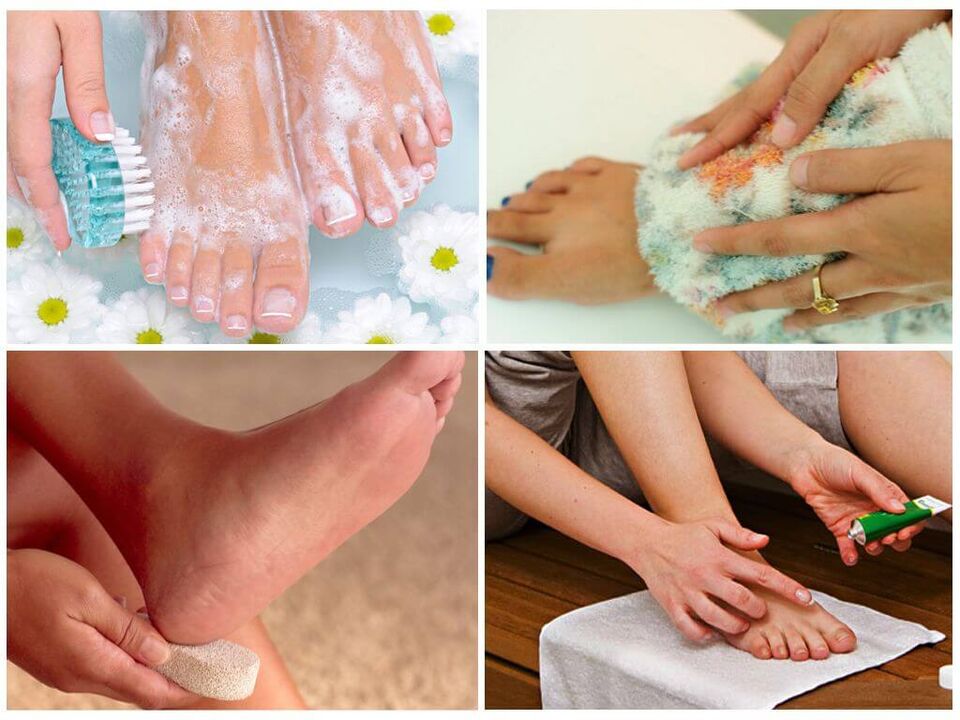
- Wash your feet at least once a day;
- Wash socks and put on clean socks every day;
- If you sweat excessively, use a foot-specific deodorant;
- Wear shoes that fit well, should not be too tight, and should be washed every day;
- Use only personal hygiene products and manicure and pedicure tools;
- Please wear personal rubber shoes when going to the swimming pool, beach, or sauna;
- Wash your feet with soap after going to the swimming pool or bathhouse, and use medicine for prevention if necessary.
Onychomycosis is a disease that is difficult to cure in its advanced stages.At the first symptoms, you should consult your doctor.Treatment depends on the stage of development of onychomycosis: in the early stages, topical drugs are sufficient; in advanced stages, systemic antifungal drugs are required.